
When our moral conviction fails us in times of great crisis, the ambiguity that remains dictates the future. Chernobyl follows the tip-toeing of the morally ambiguous line between right and wrong. As Valery Legasov attempts to unveil the truth behind the explosion at Chernobyl, he finds he is responsible to fix a pattern of recklessness. In television’s most accurate, horrifyingly raw, and nerve-shredding historical reenactment, Chernobyl is the untold story of the heroes who died a most horrific and painful death to ensure millions would not endure the same thing.
HBO has hit gold again in a new type of television, what HBO calls their “mini-series”. By delving into historical reenactments like Chernobyl, HBO continues its transition from broadcasting service to streaming service, the first company to evolve effectively, pumping out high-quality content like Game of Thrones, Westworld, and True Detective. These shows weren’t designed to be streamed like Chernobyl but have made HBO relevant in the streaming community, unlike broadcasting services like ABC and CBS who have yet to make a significant splash in the streaming community.
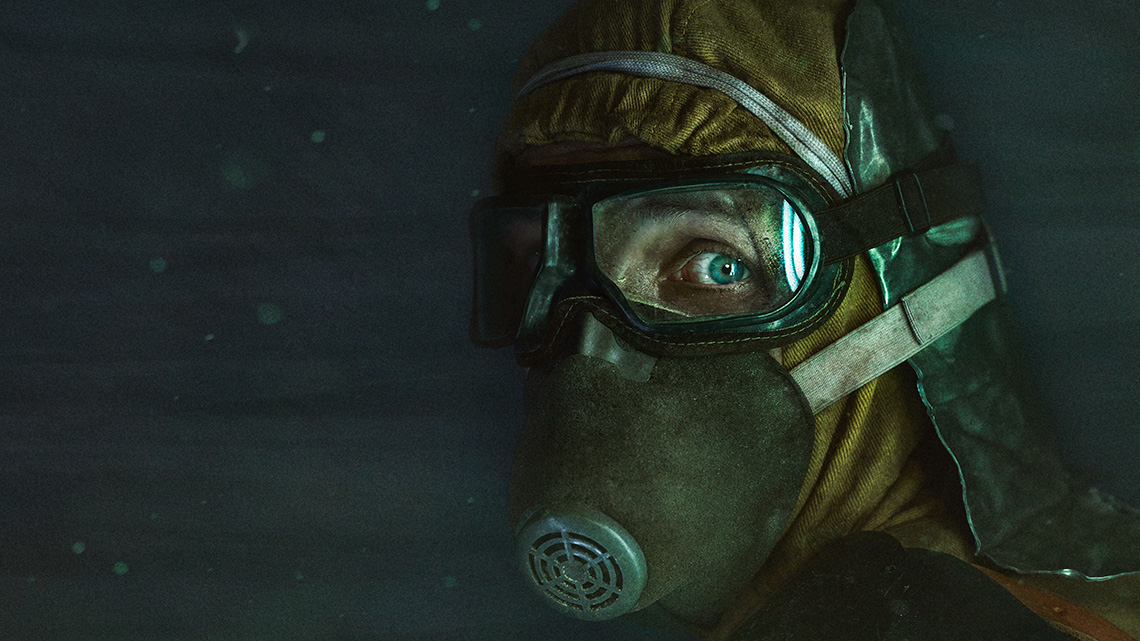
HBO creates content with graphic and visceral conflict, television with more than an A and B plot, actively challenging audiences to predict and conform when the show throws yet another curveball generating real responses from those watching. Chernobyl’s ingenuity lies in its subtlety, the heart-wrenching meaningless tick of the dosimeter feels like bullets from a machine gun, or the demonstration how achingly slow 90 seconds really is.
Russia claims 31 people died from the effects of Chernobyl. That’s wrong. You know the outcome of Chernobyl, but you don’t know the story. This show encapsulates the future of storytelling through the medium of streaming services, a picture-perfect, jaw dropping, short series designed to keep audiences loyal to HBO after their hit-show ends. Go watch Chernobyl.
Sorry for the delay, I’ve been in production. More to come.
 Grant's Entertainment Review